



How to Protect Your Fertility?
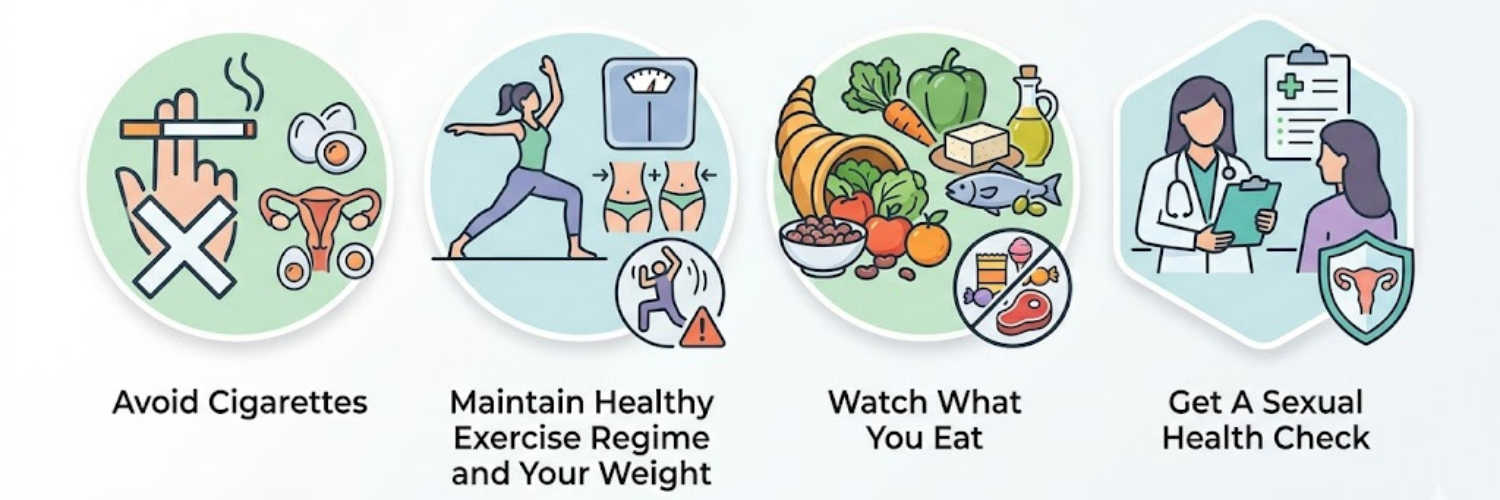
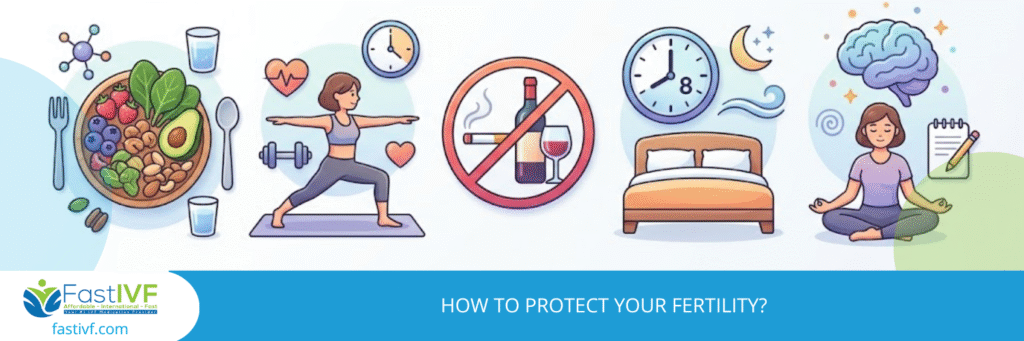
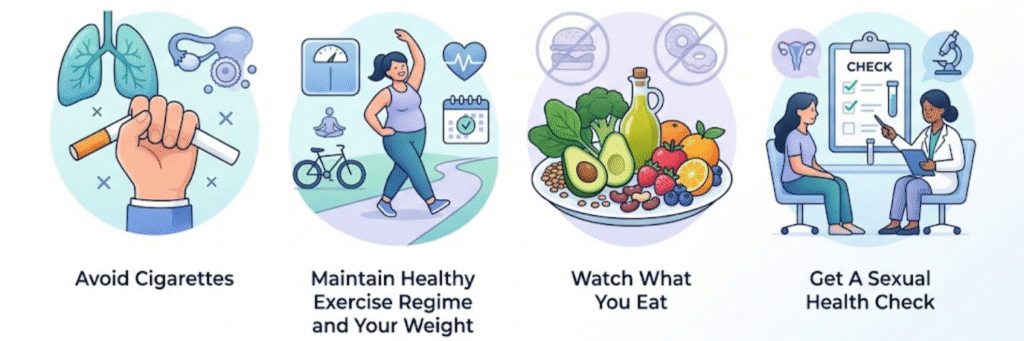
- Smoking, poor diet, excess body weight, and untreated STIs are four of the most preventable causes of fertility problems.
- Moderate exercise supports fertility — but excessive high-intensity training can suppress ovulation.
- Plant-based proteins, healthy fats, and avoiding trans fats consistently show up in fertility research as beneficial.
- STIs like chlamydia can cause silent damage to reproductive organs — routine screening matters even without symptoms.
- If lifestyle changes aren’t enough, IVF is a well-established next step and medications don’t have to cost a fortune.
Knowing how to protect your fertility matters whether you’re planning to conceive now or in the future. Some fertility factors — age, genetics, certain medical conditions — are outside your control. But several of the most common causes of infertility are directly tied to lifestyle choices that can be changed. Here are four evidence-backed ways to protect and support your reproductive health.
1. Quit Smoking to Protect Your Fertility
Contents
Smoking is one of the most damaging things you can do to your reproductive health. Chemicals in cigarette smoke — including nicotine, cyanide, and carbon monoxide — accelerate egg loss and reduce ovarian reserve faster than normal aging. Women who smoke tend to enter menopause earlier and have lower success rates with IVF than non-smokers.
For men, smoking reduces sperm count, motility, and DNA integrity. Sperm’s ability to fertilize an egg is measurably lower in smokers compared to non-smokers. Even if you’re using IVF, female smokers typically need higher doses of ovarian stimulation medications to produce the same follicle response. For more on how male factors affect conception, our male infertility guide covers what the research actually shows.
The good news: quitting smoking improves fertility relatively quickly. Egg quality and sperm quality both begin recovering within a few months of stopping, so earlier is always better.
2. Maintain a Healthy Weight and Exercise Routine
Body weight has a direct impact on hormone balance and ovulation. Obesity is associated with menstrual irregularities, ovulatory dysfunction, and lower IVF success rates. Being significantly underweight carries similar risks — low body fat disrupts the hormonal signaling required for regular ovulation.
Regular moderate exercise is one of the most effective tools for maintaining a healthy weight and supporting reproductive hormones. Brisk walking, swimming, cycling, and yoga are all good options. The key word is moderate — excessive high-intensity training can stop ovulation and periods altogether, particularly in women with already low body fat. If your cycles have become irregular since increasing your training load, that’s a warning sign worth discussing with your doctor.
Our fertility exercise guide covers the safest and most beneficial types of movement for women who are trying to conceive or going through IVF treatment. And if you want a broader approach, our ways to improve fertility guide covers how lifestyle changes work together.
3. Eat to Support Your Fertility
What you eat in the months before trying to conceive — and during IVF — affects egg quality, hormone balance, and how your body responds to stimulation medications. According to the Mayo Clinic, diet is one of the modifiable factors most consistently linked to female fertility outcomes.
The most evidence-backed dietary changes for fertility include:
- Replace animal protein with plant-based alternatives: Beans, lentils, tofu, and legumes are linked to lower rates of ovulatory infertility. High intake of red and processed meat is associated with the opposite.
- Choose healthy fats: Avocado, olive oil, nuts, and fatty fish reduce inflammation and support hormone production. Trans fats — found in many baked goods and processed snacks — are associated with poorer fertility and should be avoided entirely.
- Increase fiber: High-fiber foods help regulate blood sugar and support estrogen metabolism, both of which affect ovulation regularity.
- Take a prenatal vitamin: Folate, vitamin D, and iron are the most commonly deficient nutrients in women trying to conceive. Start a prenatal vitamin at least 3 months before trying.
Our fertility diet guide has a full breakdown of what to eat, what to avoid, and how diet connects to IVF outcomes specifically.
4. Get a Sexual Health Check
Sexually transmitted infections — particularly chlamydia and gonorrhea — are a leading preventable cause of infertility in women. What makes them especially dangerous is that they often cause no obvious symptoms, meaning damage to the fallopian tubes and reproductive organs can occur silently over months or years. Blocked or scarred tubes are a direct cause of infertility and increase the risk of ectopic pregnancy.
If you haven’t had a sexual health screen recently, getting one before trying to conceive is a straightforward step that’s worth doing. Early detection and treatment with antibiotics resolves most STIs before permanent damage occurs. Your OBGYN or primary care provider can order this testing as part of a preconception checkup.
If you’ve already addressed lifestyle factors and are still having difficulty conceiving, there are effective medical options available. IVF is one of the most well-established treatments for a wide range of infertility causes — and the medication costs don’t have to be the barrier they often seem. Fast IVF sources European-brand IVF medications at prices well below US retail. You can browse the full product catalog or request a free price quote once your doctor has prescribed your protocol.
Frequently Asked Questions About Protecting Your Fertility
At what age should I start thinking about protecting my fertility?
The lifestyle habits that protect fertility — not smoking, maintaining a healthy weight, eating well, getting STI screening — are worth adopting in your 20s, well before you’re actively trying to conceive. Egg quality and quantity decline gradually through the 30s and more sharply after 35. For women who want to preserve their options, our egg freezing guide explains when fertility preservation makes the most sense and what it involves.
Can stress cause infertility?
Chronic stress disrupts the hormonal signaling that regulates ovulation in some women, and affects sperm quality in men. It’s rarely the sole cause of infertility, but it can be a contributing factor — particularly when it leads to disrupted sleep, poor diet, or excessive exercise. Managing stress through exercise, sleep, and support networks is worthwhile both for fertility and for navigating treatment. See our guide on emotions and infertility for more on the psychological side of the process.
How does being overweight affect IVF success rates?
Excess body weight affects how the ovaries respond to stimulation medications, lowers egg quality, and reduces implantation rates. Many clinics have BMI thresholds for IVF and may recommend weight loss before starting treatment. Even a 5–10% reduction in body weight can meaningfully improve ovarian response and cycle outcomes. Your reproductive endocrinologist will advise based on your specific BMI and diagnosis.
What’s the difference between protecting fertility and treating infertility?
Protecting fertility means taking steps now — quitting smoking, eating well, maintaining healthy weight, screening for STIs — to reduce the risk of future fertility problems. Treating infertility means addressing a diagnosed cause after conception has already been difficult. The lifestyle habits overlap significantly, but treating infertility usually also involves medical evaluation and possibly medication. Our infertility overview covers when to make that transition from trying naturally to seeking medical help.
How do I know if my fertility has been affected?
The clearest signal is difficulty conceiving — defined as 12 months of trying without success for women under 35, or 6 months for women over 35. But irregular or absent periods, a history of STIs or pelvic infections, known conditions like PCOS or endometriosis, or abnormal semen analysis results are all reasons to seek evaluation sooner. A first fertility specialist visit is less daunting than most people expect — and earlier evaluation gives you more options.