



How to Increase Fertility?
Quick Takeaways
- Weight, sleep, stress, and diet all have a measurable impact on fertility for both men and women.
- Quitting smoking and cutting back on alcohol are two of the highest-impact changes you can make.
- If you’ve been trying for 12 months without success (6 months if over 35), see a specialist.
- When natural methods aren’t enough, IVF is a well-established next step — and medication costs don’t have to be a barrier.
There are several proven ways to increase fertility before moving to medical treatment. Whether you’re just starting to try or have been at it for a while, these lifestyle changes can make a real difference — and many of them support a healthier IVF outcome if you do end up going that route.
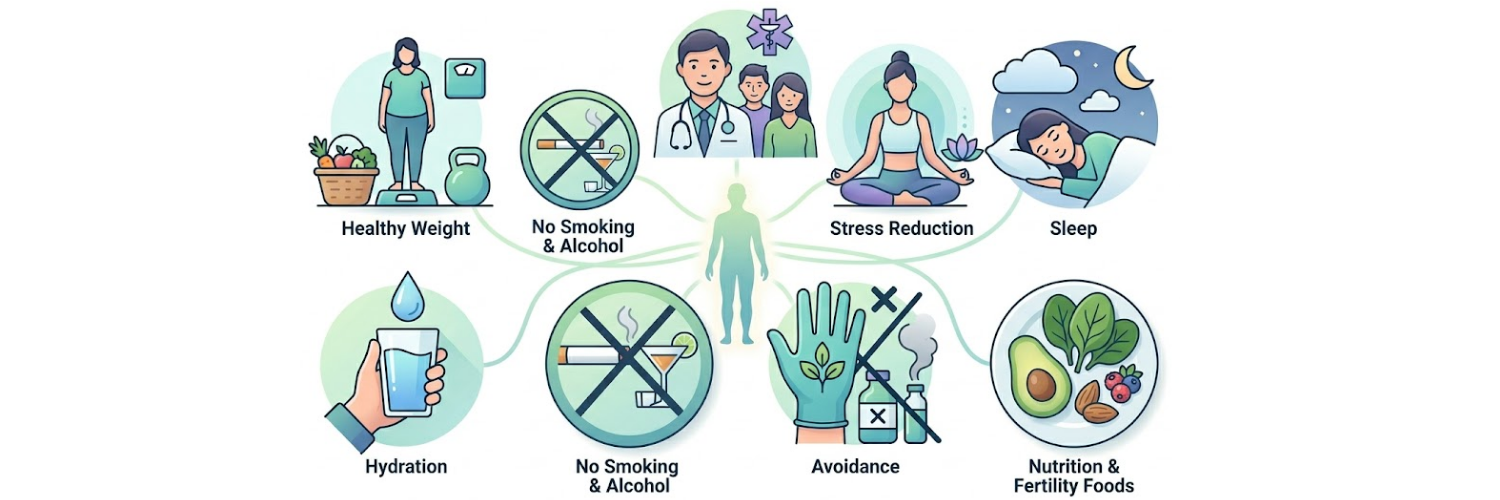
8 Natural Ways to Increase Fertility
Contents
1. Maintain a Healthy Weight
Body weight has a direct effect on hormone levels. Women who are overweight have a higher risk of ovulatory disorders, and women who are underweight often have irregular cycles. Even modest weight changes — 5–10% in either direction — can restore ovulation in some patients. A balanced diet and regular moderate exercise are the most sustainable path to a healthy weight for conception.
2. Quit Smoking and Limit Alcohol
Smoking damages DNA in both eggs and sperm and accelerates ovarian aging. The effect is dose-dependent — the more you smoke, the greater the impact. Alcohol reduces sperm count and quality in men and can disrupt the hormonal cycle in women. Both habits are worth addressing before starting any fertility treatment, including IVF.
3. Manage Stress
Chronic stress elevates cortisol, which can suppress reproductive hormones and disrupt ovulation. It also affects sperm production in men. Yoga, meditation, and regular physical activity all help. If infertility itself is the source of stress — which is extremely common — connecting with a therapist or support group like RESOLVE can help you manage the emotional side alongside the physical.
4. Prioritize Sleep
Sleep deprivation disrupts the hormones that regulate ovulation and sperm production, including LH, FSH, and testosterone. Aim for 7–8 hours of quality sleep per night. Irregular sleep schedules — common in shift workers — are associated with longer time-to-conception and higher rates of cycle irregularity.
5. Stay Hydrated
Adequate hydration supports cervical mucus production, which plays a direct role in sperm transport. Dehydration thickens cervical mucus, making it harder for sperm to reach the egg. Water is the best option — sugary drinks and excess caffeine can work against you here.
6. Eat for Fertility
A diet rich in vegetables, whole grains, lean protein, and healthy fats supports reproductive health. Foods high in folate (leafy greens, legumes), antioxidants (berries, nuts), and omega-3 fatty acids (fatty fish, walnuts) are particularly well-studied for fertility benefits. Our fertility diet guide covers specific foods and nutrients worth prioritizing.
7. Reduce Toxin Exposure
Pesticides, industrial chemicals, and plastics containing BPA are known endocrine disruptors — they interfere with hormone function. Choose organic produce where possible, use glass or stainless steel containers instead of plastic, and avoid unnecessary exposure to cleaning chemicals and solvents. These changes won’t reverse infertility on their own, but they remove unnecessary hormonal interference during a critical window.
8. See a Fertility Specialist if Needed
If you’ve been trying for 12 months without conceiving — or 6 months if you’re over 35 — stop waiting and get evaluated. A reproductive endocrinologist can identify specific causes and recommend targeted treatment. Many issues that seem vague (irregular cycles, unexplained infertility) have clear solutions once diagnosed. Early evaluation gives you more options, not fewer.
What IVF Medications Are Used If Natural Methods Aren’t Enough?
When lifestyle changes don’t result in conception, IVF is often the most effective next step. A standard IVF protocol uses several medications to stimulate egg development, prevent premature ovulation, trigger egg release, and support the uterine lining after transfer. Here’s a plain-language breakdown:
- Gonadotropins (FSH medications): Injectable hormones that stimulate the ovaries to produce multiple eggs. Common options include Gonal-F, Menopur, and Fostimon.
- GnRH agonists: Medications like Lupron that temporarily suppress natural hormone production to prevent premature ovulation during stimulation.
- GnRH antagonists: A faster-acting alternative to agonists. Cetrotide and Orgalutran (Ganirelix) are the most commonly used options.
- hCG trigger shot: Triggers final egg maturation before retrieval. Ovitrelle (Ovidrel) is the standard European-brand option available through Fast IVF.
- Progesterone support: Used after egg retrieval to prepare the uterine lining for implantation. Progestan is the equivalent of US brands like Endometrin and Prometrium.
The specific medications in your protocol will depend on your age, diagnosis, and how your body responds to stimulation. Your reproductive endocrinologist will tailor the protocol to your situation. For a full overview of what each medication does and when it’s used, see our IVF medications guide.
Once you have your prescription, Fast IVF can fill your order with European-brand medications at prices well below US retail — shipped worldwide in temperature-controlled packaging. Browse the full product catalog or get a free quote to compare what you’d pay versus your current pharmacy.
Frequently Asked Questions About Increasing Fertility
How long does it take for lifestyle changes to improve fertility?
Sperm takes about 74 days to develop, so changes in diet, exercise, and habits take roughly 2–3 months to show up in sperm quality. For women, improvements in ovulation and cycle regularity from weight or lifestyle changes can be seen within 1–3 months. Give changes time to work before concluding they aren’t helping.
Can men increase fertility naturally too?
Yes — the same lifestyle factors apply. Weight, sleep, stress, alcohol, smoking, and heat exposure (from hot tubs or tight clothing) all affect sperm quality. Antioxidant-rich foods and zinc are particularly well-studied for male fertility. See our male infertility guide for more on what the research actually shows.
What’s the difference between IVF and IUI for fertility treatment?
IUI (intrauterine insemination) is a simpler, less invasive procedure where prepared sperm is placed directly into the uterus around ovulation. IVF involves retrieving eggs, fertilizing them in a lab, and transferring the embryo. IUI is usually tried first for certain diagnoses, but IVF has higher success rates. Our IVF vs IUI comparison breaks down when each is recommended.
Does age really affect fertility that much?
Yes, significantly. A woman’s egg reserve and egg quality both decline with age — gradually through the 30s and more sharply after 35. For women over 40, IVF success rates are lower with own eggs, and many clinics discuss donor eggs as an option. Our guide on IVF for women over 40 covers what to realistically expect at different ages.
How can I reduce IVF medication costs?
The single most effective way is to order European-brand medications through Fast IVF instead of a US retail pharmacy. The medications are identical in active ingredient and quality — the price difference comes from European pharmaceutical regulations, not a difference in the product itself. Check our IVF medication costs guide for a detailed breakdown of what patients typically save.